Close focus stays switched on
Phones, laptops and detailed desk work keep the focusing system engaged at short distances. The effect can feel heavier when breaks are irregular or a glasses prescription is no longer current.
Modern visual demand asks more of your eyes: close-up focus, bright interfaces, fewer natural blink breaks and long days that move from one screen to another. VisiFlora pairs a plant-based nutritional blend with a smarter daily eye-wellness routine.
See the VisiFlora approach
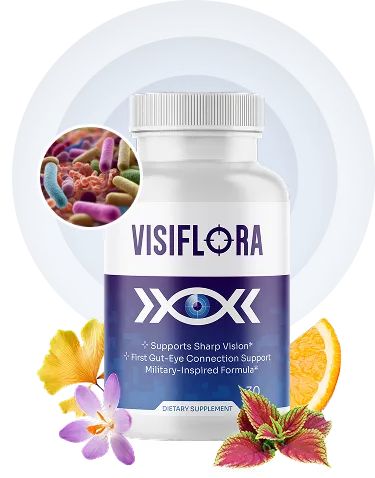
VisiFlora is a daily dietary supplement built around carotenoids, antioxidant vitamins, minerals and botanicals associated with eye nutrition. It may complement healthy routines, but it cannot correct a prescription, diagnose symptoms or replace professional eye care.
A supplement makes more sense after the everyday pressures are understood. Screen habits, lighting, sleep, hydration, prescriptions and underlying eye health can all shape how comfortable the day feels.
Visual tiredness after a long day is not the same as an eye disease. Persistent, sudden or worsening symptoms deserve professional evaluation rather than self-treatment.
Phones, laptops and detailed desk work keep the focusing system engaged at short distances. The effect can feel heavier when breaks are irregular or a glasses prescription is no longer current.
Concentrated viewing can reduce natural blinking. That can contribute to a dry, gritty or tired sensation, especially in air-conditioned rooms or around fans. A nutrition formula does not replace appropriate dry-eye assessment and care.
Bright interfaces in dim rooms create an uncomfortable contrast for some people. Adjusting display brightness, room lighting, text size and viewing distance can often be more immediately useful than expecting a capsule to change screen comfort overnight.
The retina and other eye tissues require nutrients as part of normal physiology. A varied diet remains the foundation. Supplements such as VisiFlora are best positioned as an additional source of selected nutrients, not a substitute for vegetables, fruit, protein, healthy fats or clinical care.
Vision needs, tear quality and disease risk can change over time. Routine dilated eye examinations become more important—not less important—when someone adds a vision supplement to a healthy-aging plan.
macular nutrients
daily eye wellness
VisiFlora is presented as a premium eye-support supplement for adults. Its product story combines familiar eye-nutrition ingredients—such as lutein, zeaxanthin, zinc and antioxidant vitamins—with botanicals including bilberry, saffron, ginkgo and eyebright. The formula also highlights taurine, alpha-lipoic acid and trace minerals.
The intended role is nutritional: support the normal structures and processes involved in eye wellness, provide antioxidant nutrients and fit into a consistent routine. Words such as “supports” and “helps maintain” matter. They describe a wellness purpose without promising that the product will restore lost vision, prevent disease or produce the same result for every person.
Carotenoids and micronutrients give the formula its strongest eye-focused rationale.
Vitamins, carotenoids and plant compounds are grouped around normal cellular defenses.
The product is designed for daily wellness, including screen-heavy lifestyles, without acting as a medical treatment.
VisiFlora connects broader digestive wellness with nutrient use and systemic balance; the claim needs careful interpretation.
The accessible product information identifies the ingredients below. Always compare this overview with the current Supplement Facts panel because formulations, extract forms and amounts can change.
Lutein and zeaxanthin are pigments naturally concentrated in the macula and commonly included in eye-nutrition formulas. VisiFlora describes them as marigold-derived. Their presence provides a relevant nutritional foundation, but it does not prove that the finished product sharpens eyesight or treats macular disease.
Beta-carotene is a plant pigment the body can convert to vitamin A, which has an established role in normal vision. Amounts matter. Current and former smokers should discuss beta-carotene-containing supplements with a clinician because high-dose beta-carotene has important safety considerations in that population.
Astaxanthin, lycopene, vitamins C and E, selenium and alpha-lipoic acid help explain the formula’s antioxidant positioning. Individual compounds have different functions and research histories. Combining their names on a label does not establish a guaranteed level of protection or a product-specific clinical outcome.
The referenced page states 11 mg of zinc and also lists copper and selenium. These minerals participate in normal body processes and often appear in eye-wellness formulas. VisiFlora should not automatically be considered an AREDS2 product; AREDS2 is a precisely defined high-dose formula intended for certain people with age-related macular degeneration under professional guidance.
Bilberry fruit and saffron extracts add anthocyanin- and pigment-rich botanicals to the blend. They are frequently discussed in eye-nutrition research, but evidence from an isolated, standardized extract cannot be transferred automatically to a multi-ingredient supplement with an undisclosed or different dose.
Ginkgo biloba and Coleus forskohlii are positioned around normal circulation and nutrient delivery. The source page makes a precise percentage claim without providing finished-product substantiation, so this guide does not repeat it. Both suitability and interactions should be discussed when medicines or medical procedures are involved.
Eyebright and taurine round out the blend. Eyebright has a long herbal tradition, while taurine is naturally present in several tissues and is used in broader cellular-nutrition discussions. Historical use and biological plausibility are not substitutes for finished-product evidence.
A bottle image cannot confirm serving size, every amount, extract standardization, allergen information, capsule material or manufacturing lot. Before ordering, look for a readable Supplement Facts panel. If the seller does not provide one, request it before making a decision.
The gut–eye axis describes research into how the microbiome, immune signaling, inflammation and nutrient metabolism may influence eye health. It is a legitimate scientific area, but it is still developing. A marketing page can explain the concept more confidently than the available finished-product evidence allows.
VisiFlora places this connection near the center of its identity. That can be useful as a reminder that eye wellness is connected to whole-body nutrition. However, the referenced product information does not display a complete, strain-specific probiotic panel with doses. Buyers should therefore avoid assuming that VisiFlora has clinically proven microbiome effects.
The gut–eye theme provides context for a whole-body wellness formula. It does not mean that digestive changes will correct blur, floaters, dryness, discharge, light sensitivity or a diagnosed eye condition.
A consistent routine creates a fairer way to assess a supplement. It also keeps basic habits from being overshadowed by the product itself.
Take VisiFlora only according to the current directions. The accessible marketing page does not provide enough verified dosing detail for this guide to invent a serving schedule.
Use readable text, comfortable contrast, appropriate room lighting and regular distance changes. Remember to blink fully during focused screen work.
Record adherence, screen hours, sleep and comfort in simple terms. Avoid changing several supplements or eye products at once because that makes observations difficult to interpret.
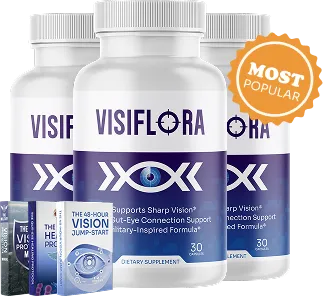
The referenced VisiFlora page advertises a promotional price of $49 per bottle against a stated regular price of $79. It also presents a 60-day money-back guarantee and three downloadable guides. Promotional details can change, so verify the final package before paying.
*The price and guarantee above reflect the referenced marketing page and are not permanent promises. The destination checkout controls the actual transaction.
Review the current VisiFlora offerVisiFlora is described as plant-based and generally well tolerated, but that does not make it universally appropriate. Personal health context and total nutrient intake still matter.
Compare vitamin A or beta-carotene, zinc, copper, selenium, vitamin C and vitamin E across multivitamins and eye formulas. More is not automatically better.
Ginkgo, coleus and other botanical extracts may affect suitability with medicines, medical conditions or procedures. A pharmacist or clinician can assess the complete label.
The source page shows Made in USA, GMP and FDA-registered production badges. Facility registration does not mean the FDA has approved the supplement or verified its marketing claims.
Sudden vision loss, a curtain-like shadow, severe pain, injury, new flashes, a sudden shower of floaters, significant discharge or rapidly worsening blur can require prompt professional assessment.
These answers separate the product’s intended wellness role from outcomes that should not be promised.
VisiFlora is intended to provide daily nutritional support for adult eye wellness. Its formula is positioned around macular carotenoids, antioxidant nutrients, selected minerals, botanicals, normal circulation and the gut–eye concept. It is not intended to diagnose, treat, cure or prevent an eye disease.
Blurry vision can have many causes, including a prescription change, dry eye, medication effects and eye disease. A supplement should not be used to diagnose the cause or delay an eye examination. VisiFlora may complement general nutrition, but a specific improvement in blur cannot be guaranteed.
No equivalence should be assumed. AREDS2 is a specific high-dose combination studied for certain people with intermediate or late age-related macular degeneration. VisiFlora contains some familiar eye nutrients but also includes a broader botanical blend. Ask an eye-care professional which formula, if any, suits your diagnosis.
Follow the current bottle directions and do not exceed the stated serving. The marketing page does not provide enough reliable dosing information for an independent guide to create its own schedule. Ask a healthcare professional if the label conflicts with another product or your medication routine.
There is no universal or guaranteed timeline. The source page suggests that some users may notice changes after several weeks, but testimonials cannot establish a predictable response. Nutrition supplements are better evaluated through consistent use, realistic goals and appropriate eye care—not a promised countdown.
Any supplement can cause an unwanted effect. The product page mentions possible mild digestive discomfort. Allergies and interactions are also possible. Stop use and seek appropriate help for a serious reaction, and discuss the complete label before use if you take medicines or have a medical condition.
Pregnant or nursing people, anyone under 18, current or former smokers, people taking medicines, those using several supplements, individuals with chronic conditions or eye diagnoses, and anyone preparing for surgery or another procedure should seek individualized advice.
Confirm the current Supplement Facts, serving size, bottle count, seller identity, price per bottle, shipping, taxes, recurring-payment status, guarantee conditions, return instructions and support contact details. Save the receipt and order confirmation in case a refund request is needed.